Social Media Performance Analysis & Content Strategy
Objective
Evaluate social media performance across multiple content formats and identify opportunities to improve engagement and reach.
My Role
-Created and planned social media content
-Collected and analyzed social media performance data
-Developed executive-facing reporting and presentation materials
-Identified content trends and audience preferences
-Provided recommendations for future content strategy
Approach
I conducted a performance analysis of social media content published between February and April 2026, comparing text-only posts, photography, video, and graphic-based content. The goal was to understand which content formats generated the strongest audience response and use those insights to guide future marketing efforts.
Key Findings
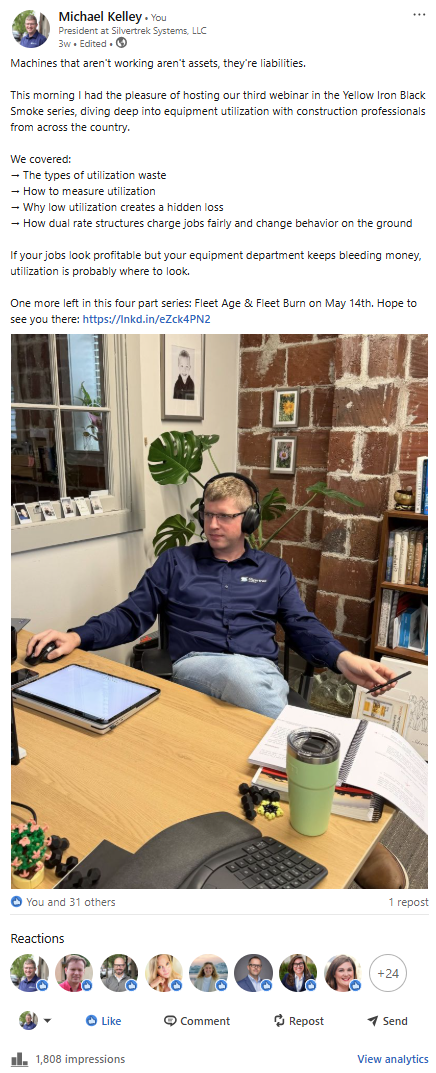
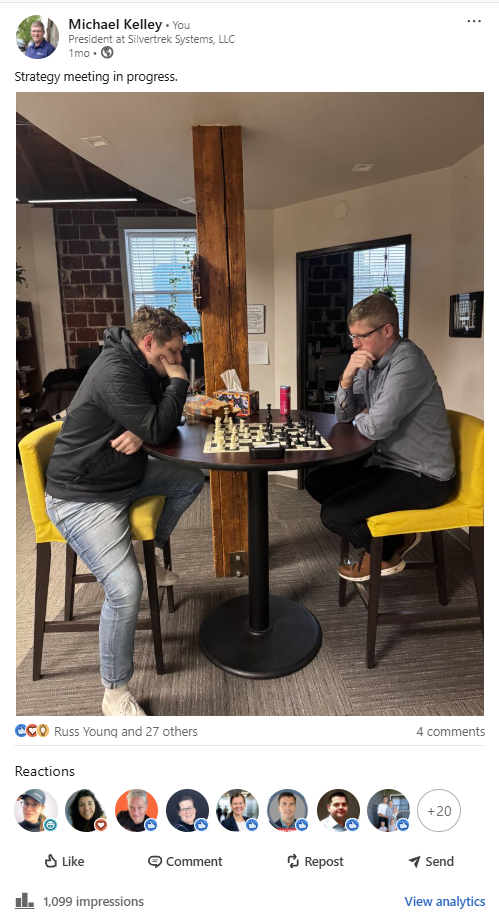
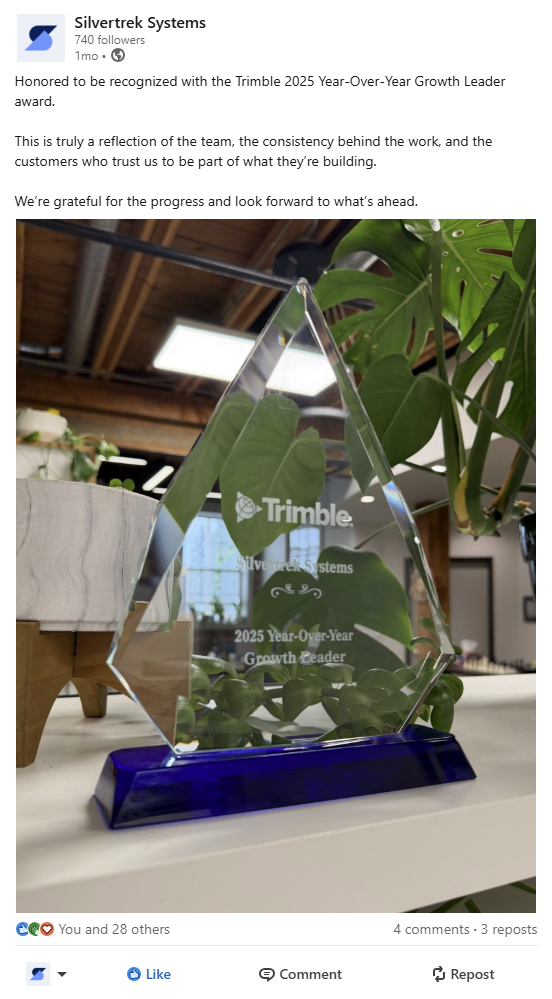
Photography generated the strongest overall performance in both impressions and engagement, particularly when featuring people and leadership-focused content.
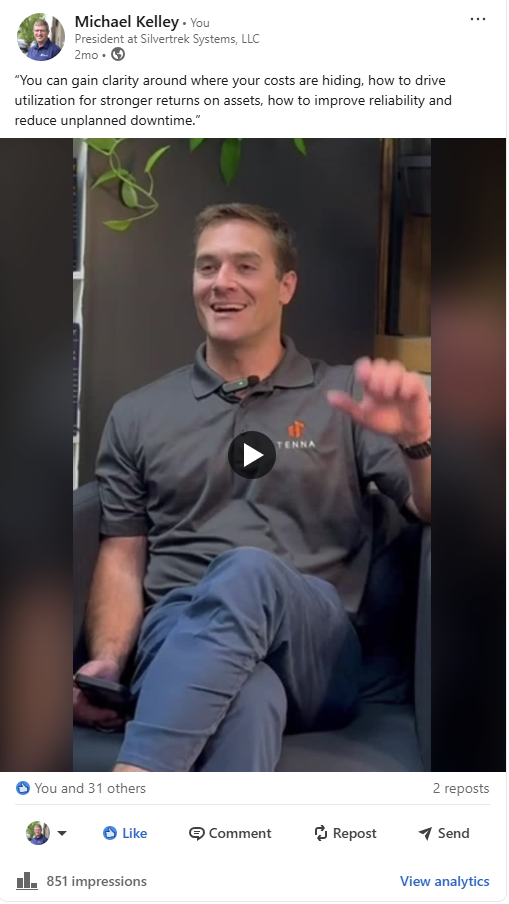
Short-form videos consistently produced reliable engagement, with the strongest performers featuring employees or leadership speaking directly to the audience.
Text-only posts generated lower engagement and reach compared to visual content formats.
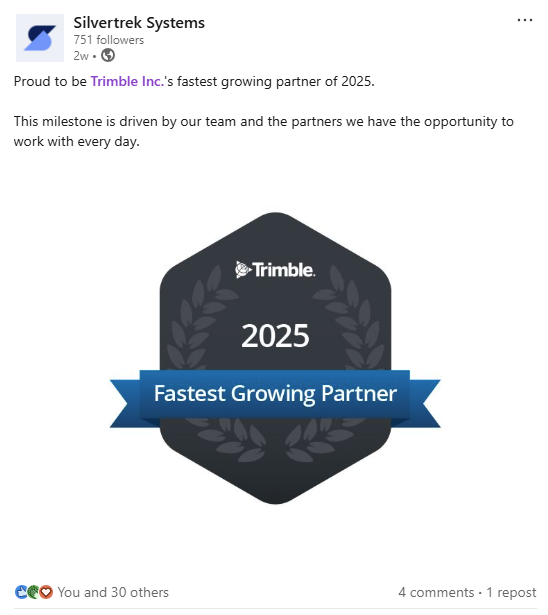
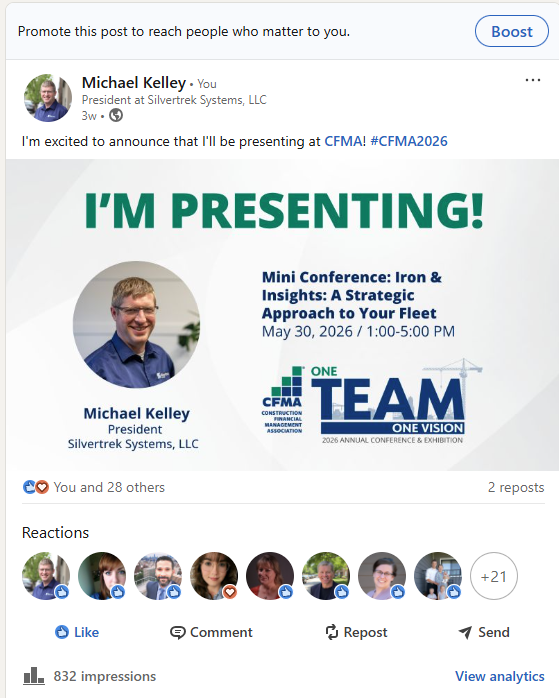
Graphics performed best when communicating simple announcements or achievements, while educational graphics received comparatively lower engagement.
Results & Impact
Over the past three months, both the CEO and company LinkedIn accounts experienced steady audience growth and increased reach, supported by consistent content production and improved distribution.
CEO LinkedIn account: grew from 1,012 to 1,139 followers (+127 / ~12.5% growth)
Company LinkedIn page: grew from 549 to 744 followers (+195 / ~35.5% growth)
A total of 64 posts were published across both accounts during this period, establishing a consistent posting cadence and sustained visibility across LinkedIn audiences.
Overall, this activity generated 77,867 total impressions, reflecting expanded reach and stronger content performance across both pages.
The analysis provided clear direction for future content planning, supporting a strategy that prioritized authentic photography, short-form video, and people-focused storytelling. These insights helped inform content decisions and improve alignment between creative production and audience engagement goals.